

I don’t know how many times that I have been asked when fishing for trout, What fly are you using? what fly should I use? Well it depends! A good fly fisher, can read the water, even a water that he or she hasn’t fished before. They will try and identify the insects that are present, look for any activity of trout feeding and even recognize the style of rises, if any… All this information, when gathered, along with decades of experience of fishing both home and foreign waters, will result in the choice of fly to be tied to the tippet.
But it doesn’t stop there, once what style of fly and pattern are chosen, then you also have a few other choices to make, what size of fly, what colour, should it be weighted or not?
Every fly fisher has their favourite or go-to patterns, here are some of mine, that will hopefully make these decisions a little easier for you. Here I have listed ten international fly patterns that will cover most trout fishing situations for you, no matter where you fish!
These ten patterns cover the most common insects and food items on the trouts menu: midges, caddis flies, mayflies, ants and baitfish. The patterns are also some of the very best proven patterns internationally to represent these food items
Here are my top ten choice flies to cover most situations, in no specific order:
Table of Contents
1. Elk Hair Caddis

Probably the best adult caddis pattern in existence. The EHC, as its also known, not only works wherever there are caddis flies, but it’s also a great attractor pattern when there is little feeding activity to be seen. It’s easy to see on the water, even at a distance and can be fished both high and dry and sunk, just under the surface, on both still and running water.
You should have this pattern in sizes 12, 14, and 16 in olive.
Flying Ant

Ants are the most important terrestrial insect for the fly angler, no matter where you fish. They are very poor aviators and when they swarm and leave the nest they are at the mercy of the wind and where it takes them, more than often ending in water.
F-Fly
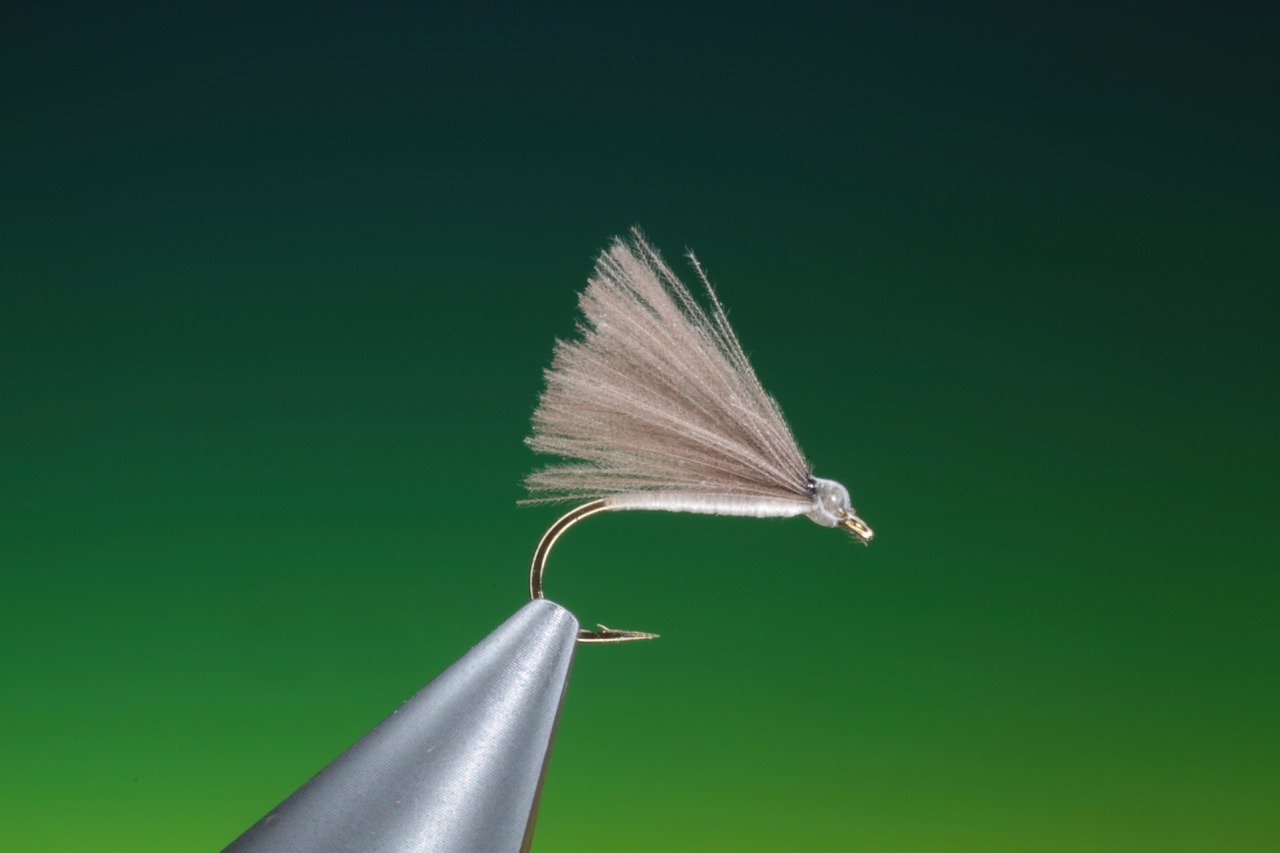
The F-fly was designed by the famous Slovenian fishermen Marjan Fratnik, back in the time when CDC was almost un-heard of. It can be used to great effect on still waters fished static or with gentle twitches. But where it really shines is on clear, slow to medium fast running waters for grayling and trout. Fished in smaller sizes, on a long, delicate leader it’s also the perfect choice for shy and selective fish.
Hares Ear Nymph

The gold ribbed hare’s ear nymph, as its often called, is a great all round pattern that is found in many variants, from the ultra simple to the ultra realistic. The one illustrated here is my variant, which falls somewhere in between both. The one thing that they all have in common, is a body of hare’s ear dubbing that is ribbed with a gold tinsel. Fish it to rising fish or blind.
Klinkhåmer

2024 being the 40th anniversary since Hans van Klinken designed the Klink, it’s had four decades to prove itself, and it has passed with flying colours. Another great all round pattern that fishes hanging in the surface film and represents a hatching caddis or mayfly.
Montana Nymph

Although originally designed to imitate a large stonefly nymph, that is native to North America, it has since, become one of the modern classics, that has brought fish to the net for fishermen all over the world, in both running and still waters, even where a stonefly nymph has never been seen. This puts the Montana in the category of an attractor or searching patterns. This means that no matter where you fish it, the fish recognize it, not as one specific insect, but are attracted to it as a general food item.
Pheasant tail Nymph

The original pheasant tail nymph was created by legendary English fly tyer and fishermen Frank Sawyer around 1930. He designed the pheasant tail, to imitate the small mayfly nymphs, on the southern English river Avon, where he was river keeper. Sawyer’s original pattern used only pheasant tail fibers and fine copper wire instead of normal tying thread, to give the pattern extra weight. The modern variants of the PTN, that we are familiar with, including the one illustrated here, bare little resemblance to the original. Tied in all sizes, you shouldn’t go fishing without this pattern in your box.
Woolly Bugger
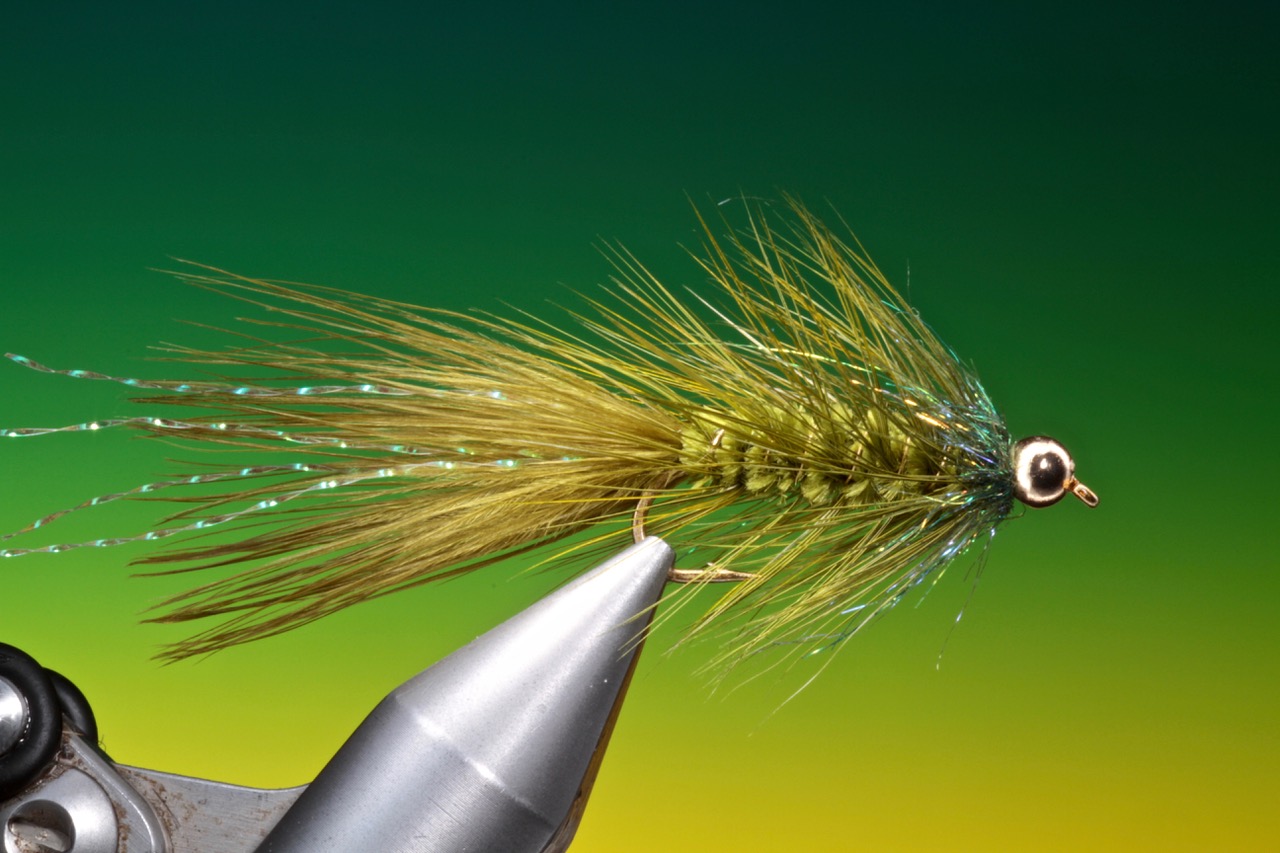
The woolly bugger is truly, one of the iconic American trout flies, that doesn’t represent anything in particular, but suggests all manner of larger, sub-surface food items for predatory fish. When wet, marabou possesses a serpentine swimming action, that is found in few other materials. When this is combined with the jig effect, of a heavy bead head the woolly bugger, swims and undulates tantalizingly, with every retrieve, which has sealed the fate of many a fish.
Zebra Midge

The midges being one of the most abundant species rich insect groups found in fresh water ecosystems, also make them one of the most important to the fly fisherman. There are literally thousands of different species of biting and non-biting midges in various stages of life cycle, that are available to trout throughout the whole year. One of the most popular in recent years is the Zebra midge. This little pattern fills just about all the criteria for a great fishing fly. It’s inexpensive, it doesn’t require any special materials or techniques, Its quick and simple to tie and last but not least, it catches fish. Tie with and without bead head in all the small sizes.
Hair wing Dun

Rather than choose a specific pattern here for a adult mayfly, I believe it more useful for you to use a standard mayfly attractor. You can adapt this pattern by changing the hook size, body and hackle colour, along with the tail and wing material if desired, to match your own hatch. When presented on the water, this template represents the basic silhouette or footprint of an adult mayfly. Tail, body, legs and wings. This is quick and easy for a trout to recognize as food, when drifted over him.
All these pattern and more are in my FLYTYING for Beginners book available from:

Discover more from HOW TO TIE FLIES | THEFEATHERBENDER
Subscribe to get the latest posts sent to your email.


You must be logged in to post a comment.